Chilled Storage in Saudi Arabia: 2026 Business Guide
Chilled storage in Saudi Arabia has quietly become one of the most important links in the Kingdom’s supply chain. From Riyadh supermarkets and Jeddah pharmacies to Dammam food importers, businesses now depend on reliable temperature-controlled space to keep products safe and sellable. As the population grows and Vision 2030 pushes food security higher up the national agenda, demand for dependable chilled storage keeps climbing in 2026.
This guide explains how chilled storage works, what it realistically costs, and how to choose a provider you can trust. Whether you run a restaurant group, a fresh-produce import business, or a medical distribution company, the right cold-storage partner protects both your margins and your reputation.
Why Chilled Storage Matters for Saudi Businesses
The Saudi climate is unforgiving. Outdoor temperatures regularly exceed 45°C in summer, which means any perishable product left unmanaged can spoil within hours. Chilled storage holds goods in a controlled band, typically between 0°C and 8°C, that slows bacterial growth and preserves quality.
For food businesses, this is the difference between profit and waste. For healthcare suppliers, it is a regulatory requirement. The Saudi Food and Drug Authority sets strict rules on how temperature-sensitive goods must be handled, and non-compliance can trigger fines or product recalls.
Beyond compliance, chilled storage lets companies buy in bulk, import seasonally, and smooth out price swings. A distributor who can hold stock safely is far better positioned to negotiate than one forced to sell fast before spoilage.
What Products Need Temperature-Controlled Space?
Chilled storage is not only about fruit and vegetables. A surprisingly wide range of goods benefits from a stable, cool environment. Common categories include:
- Fresh produce, dairy, and bakery items
- Meat, poultry, and seafood awaiting distribution
- Pharmaceuticals, vaccines, and medical samples
- Cosmetics and personal-care formulations
- Floral stock and horticultural imports
- Certain industrial components sensitive to heat
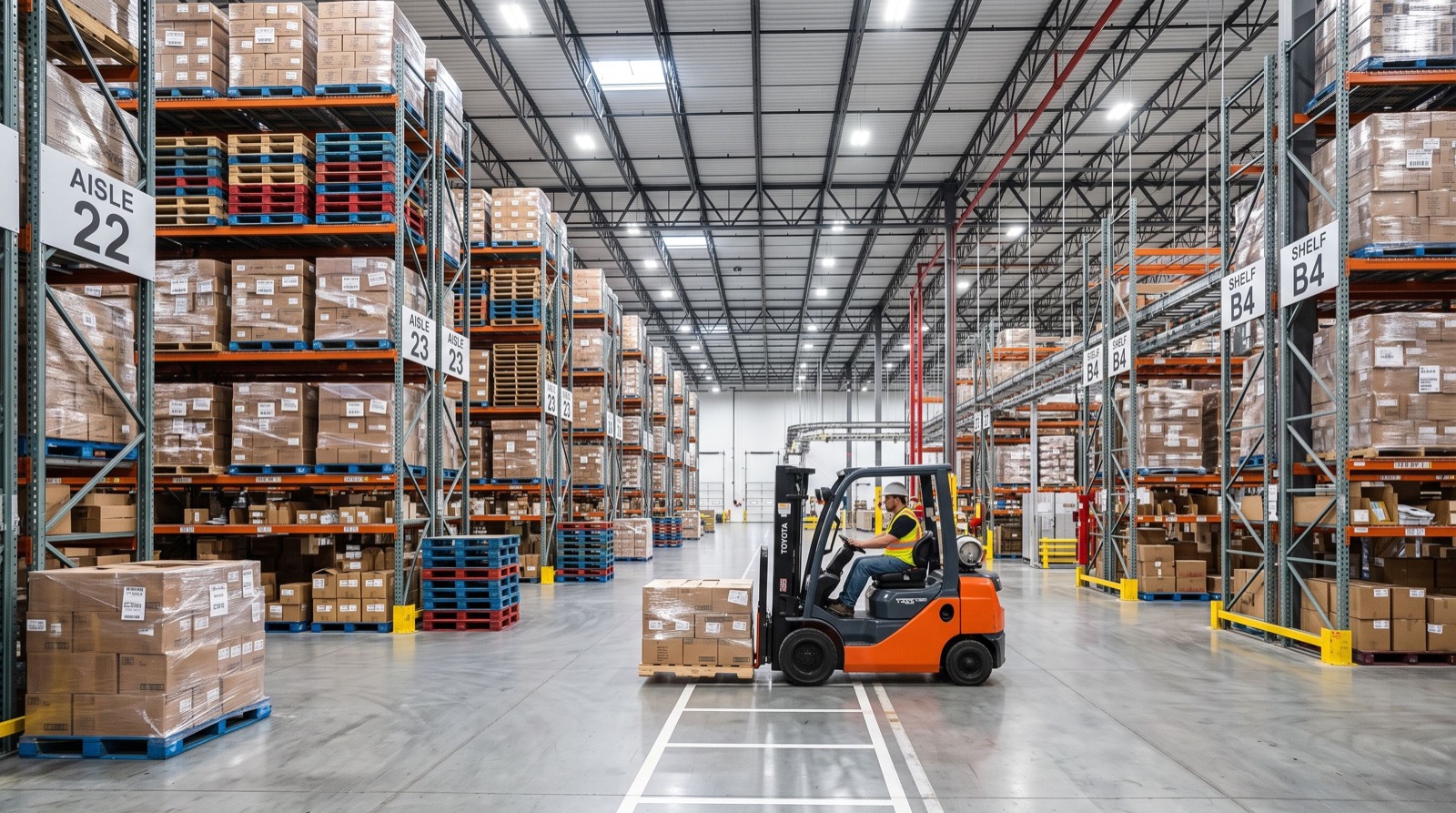
Industrial clients also rely on cold rooms for sensitive inventory. For example, companies that keep temperature-reactive components often pair a chilled room with dedicated Storage for Spare Parts so that both their perishables and their critical equipment stay protected under one roof.
How Much Does Chilled Storage Cost in 2026?
Pricing depends on volume, temperature band, duration, and location. The table below gives a realistic snapshot of what Saudi businesses can expect this year. Treat these as planning figures rather than fixed quotes.
| Storage Type | Temperature Range | Typical Monthly Rate (SAR/m²) | Best For |
|---|---|---|---|
| Standard chilled | 2°C to 8°C | 75 – 120 | Dairy, produce, beverages |
| Pharma-grade chilled | 2°C to 8°C (validated) | 140 – 220 | Medicine, vaccines |
| Ambient cool | 12°C to 18°C | 55 – 90 | Chocolate, wine, cosmetics |
Short-term seasonal contracts usually carry a premium, while annual agreements unlock better rates. Many providers also bundle handling, inventory software, and last-mile delivery, which can lower your total cost compared with managing each piece separately.
Chilled Versus Frozen: What Is the Difference?
People often use the terms interchangeably, but they are not the same. Chilled storage keeps goods cool without freezing them, protecting texture and nutritional value. Frozen storage drops temperatures well below zero to halt spoilage entirely, which suits long-term holding of meat and ready meals.
Choosing correctly matters. Freezing fresh produce can ruin it, while merely chilling something that needs freezing invites spoilage. A good provider helps you map each product to the correct environment and can offer flexible Chilled Storage solutions that scale as your inventory changes through the year.
How Do You Choose a Reliable Cold-Storage Provider?
Not every warehouse is equal. When vetting a partner, use these practical checks drawn from hands-on experience working with Saudi distributors:
- Temperature monitoring: Insist on 24/7 digital logging with alerts, not manual readings.
- Backup power: A single outage can destroy a full load, so confirm generator coverage.
- Hygiene certification: Ask to see SFDA and HACCP documentation.
- Location: Proximity to ports and major highways cuts transit risk.
- Transparency: Reputable operators let you audit and visit the facility.
It also pays to compare reviews and references before signing. Working with established, quality service providers tends to save money over time because fewer losses mean fewer emergencies. A cheap contract that fails during a heatwave is never a bargain.
Best Practices to Protect Your Stock
Even with a strong provider, your own habits influence outcomes. Rotate stock on a first-in, first-out basis to avoid aged inventory sitting at the back. Label everything with receipt dates and target temperatures. Train staff to close doors quickly, since repeated openings cause temperature spikes that stress the whole room.
Finally, review your data. Modern facilities give you dashboards showing temperature history. If you see recurring warm spots, raise it early rather than waiting for a spoilage event.
How Does Chilled Storage Support Vision 2030?
Food security sits at the heart of Saudi Arabia’s long-term strategy, and chilled storage is a practical enabler of that goal. By allowing the Kingdom to import, hold, and distribute perishables efficiently, modern cold chains reduce dependence on last-minute buying and cut national food waste.
For private businesses, this national push creates opportunity. Investment in logistics corridors, ports, and industrial zones means better-connected cold facilities and, over time, more competitive pricing. Companies that build cold-chain capability now are positioning themselves to serve a larger, more demanding domestic market.
There is also a sustainability angle. Efficient refrigeration, solar-assisted cooling, and smart energy management are becoming selling points, not just cost centres. Choosing a forward-looking provider helps align your operation with the Kingdom’s environmental targets while trimming long-term energy bills.
Frequently Asked Questions
What temperature is chilled storage kept at in Saudi Arabia?
Most chilled storage in Saudi Arabia runs between 2°C and 8°C. Pharmaceuticals use a validated 2°C to 8°C band, while some cosmetics and confectionery sit in a cooler ambient range of 12°C to 18°C.
Is chilled storage regulated in the Kingdom?
Yes. The Saudi Food and Drug Authority enforces rules on handling, labeling, and temperature control for food and medical goods. Licensed facilities must document compliance and maintain traceable records.
How quickly can I rent chilled space?
Flexible providers can often onboard new clients within a few days, especially for standard chilled requirements. Pharma-grade or custom builds may take longer because of validation steps.
Can one facility handle mixed temperature needs?
Many modern Saudi warehouses offer multiple zones under one roof, letting you keep chilled, frozen, and ambient goods together while paying only for the space each category uses.
The Bottom Line
Chilled storage in Saudi Arabia is no longer a nice-to-have; it is essential infrastructure for any business handling perishable or sensitive goods in 2026. By understanding costs, matching products to the correct temperature band, and partnering with a transparent, well-certified operator, you protect your stock, your customers, and your bottom line. Review your current setup today and ask whether it can truly withstand a Saudi summer, because the next heatwave will not wait.